

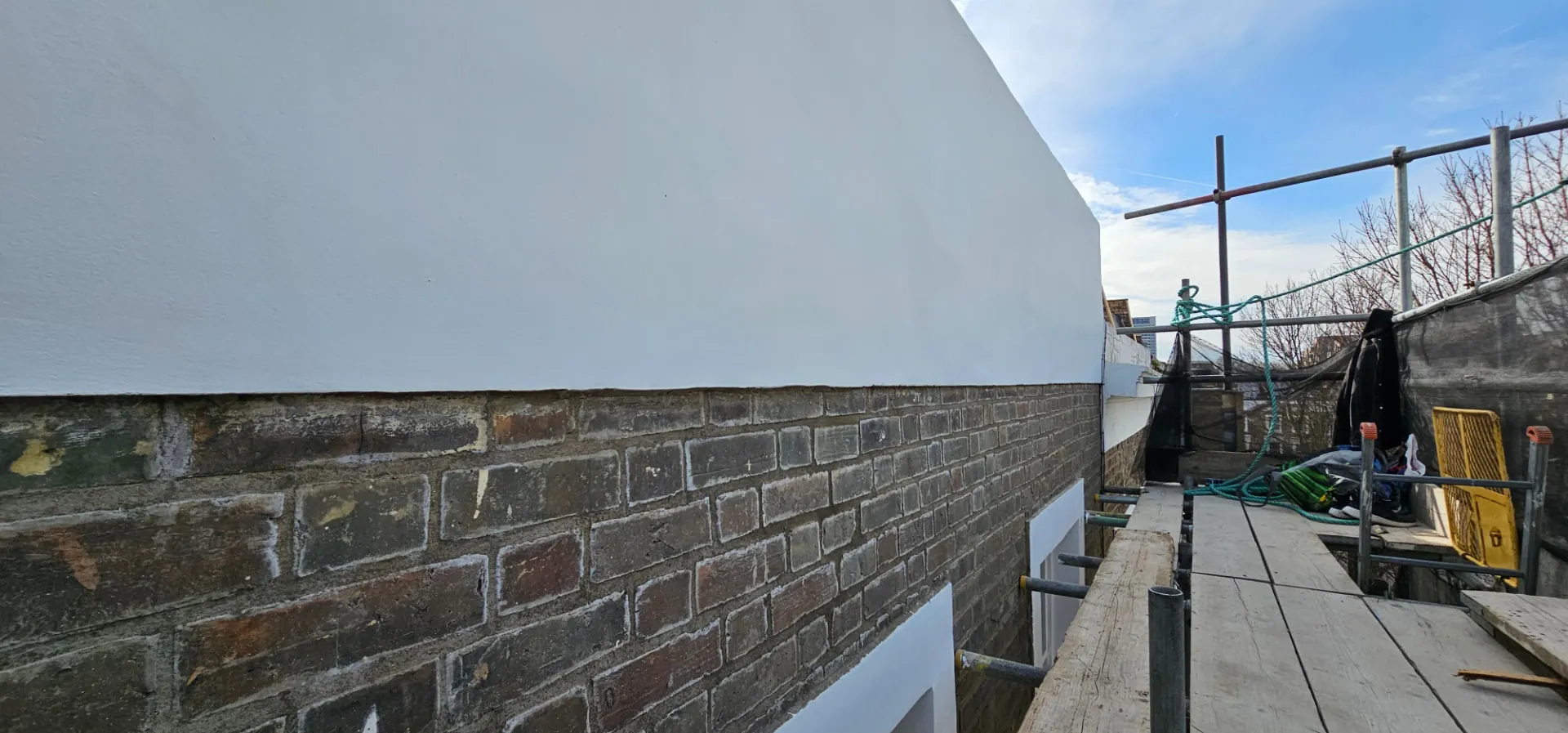
Repointing
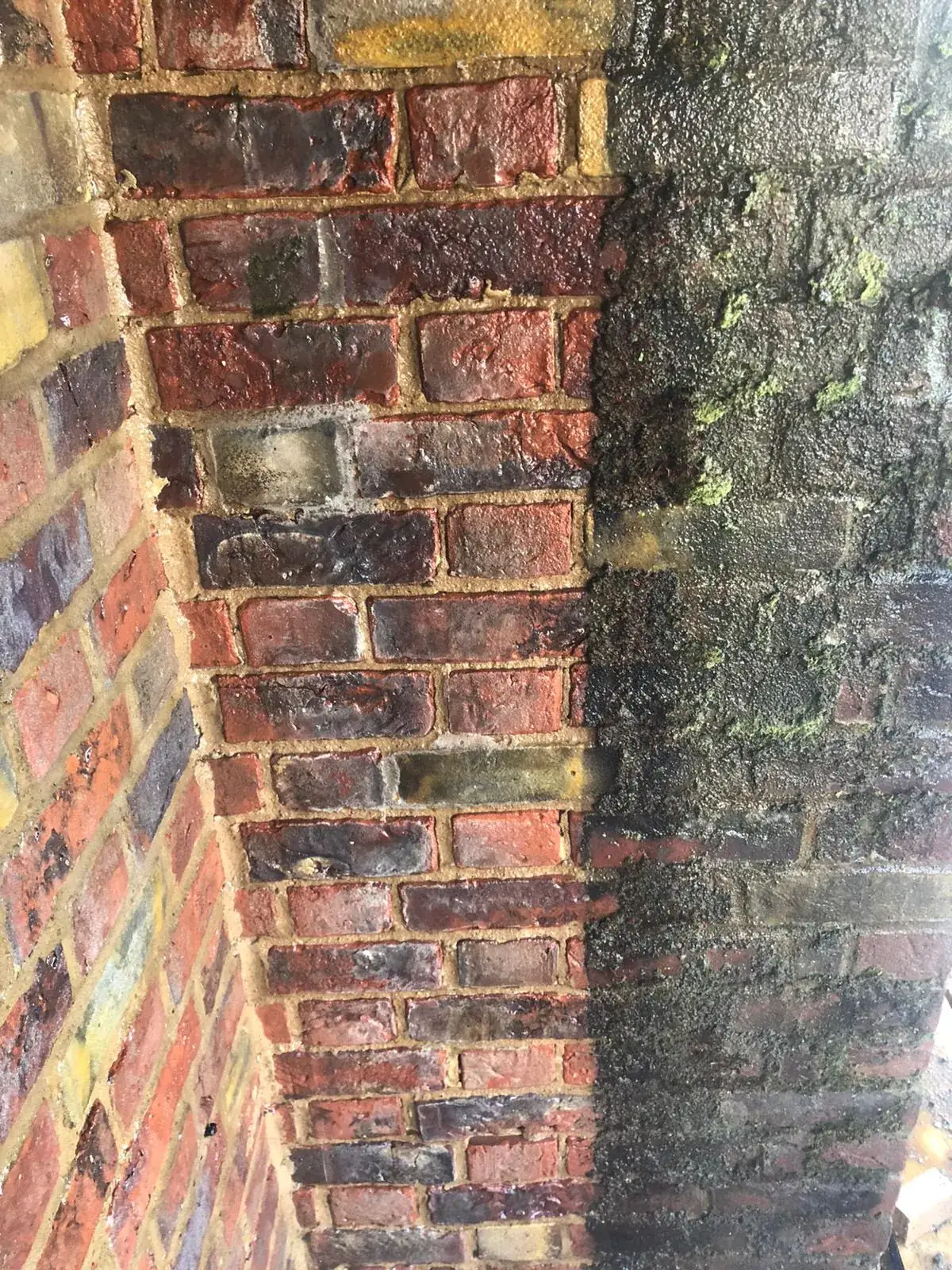
Pointing is the part of a facade most people never notice until it fails: the joint profile decides how a wall sheds water, how it ages, and how the brickwork reads from the street. We hand-rake and repoint in the style the building was built in - matched on site, mixed to suit the fabric, and finished by masons who have cut every one of these profiles before.
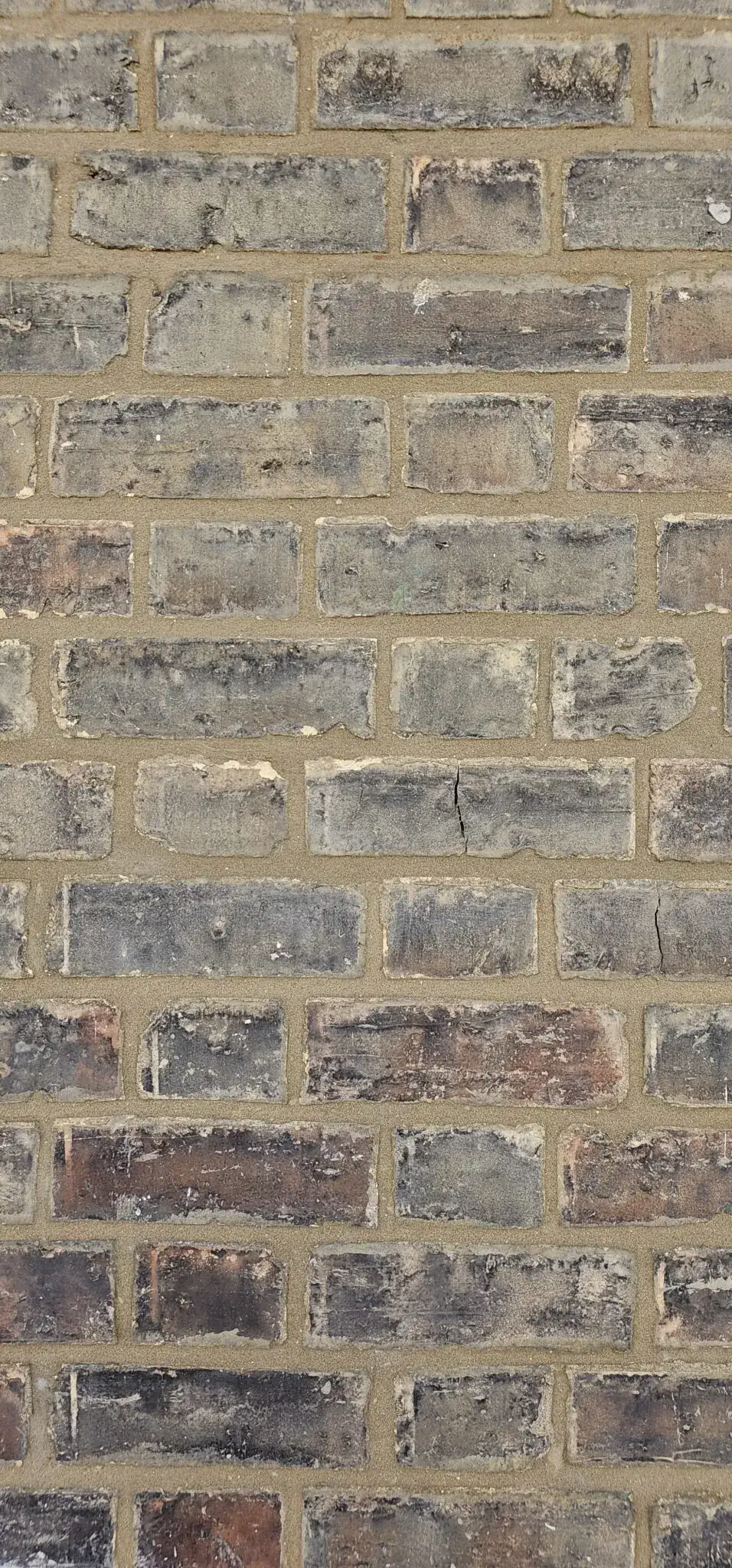
Flush
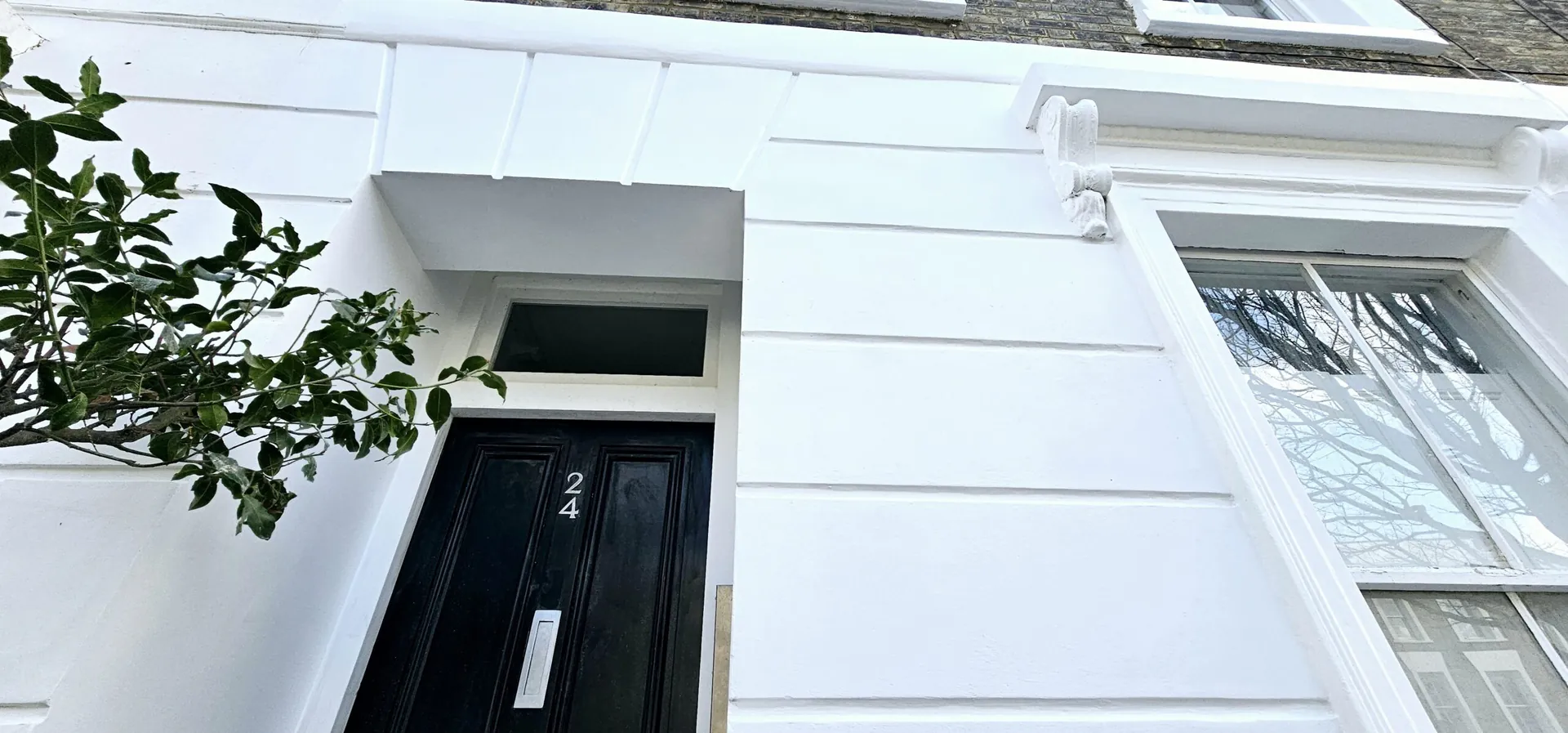
Flush pointing is by far the most common technique chosen by property owners across London. The mortar is pressed flush with the face of the wall, creating a smooth, even surface across the brickwork - well suited to more modern buildings with clean lines and contemporary detailing.
Unlike most other profiles, flush pointing is not designed to shed water, which makes it less durable over time. We will tell you honestly when a facade is too exposed for it.
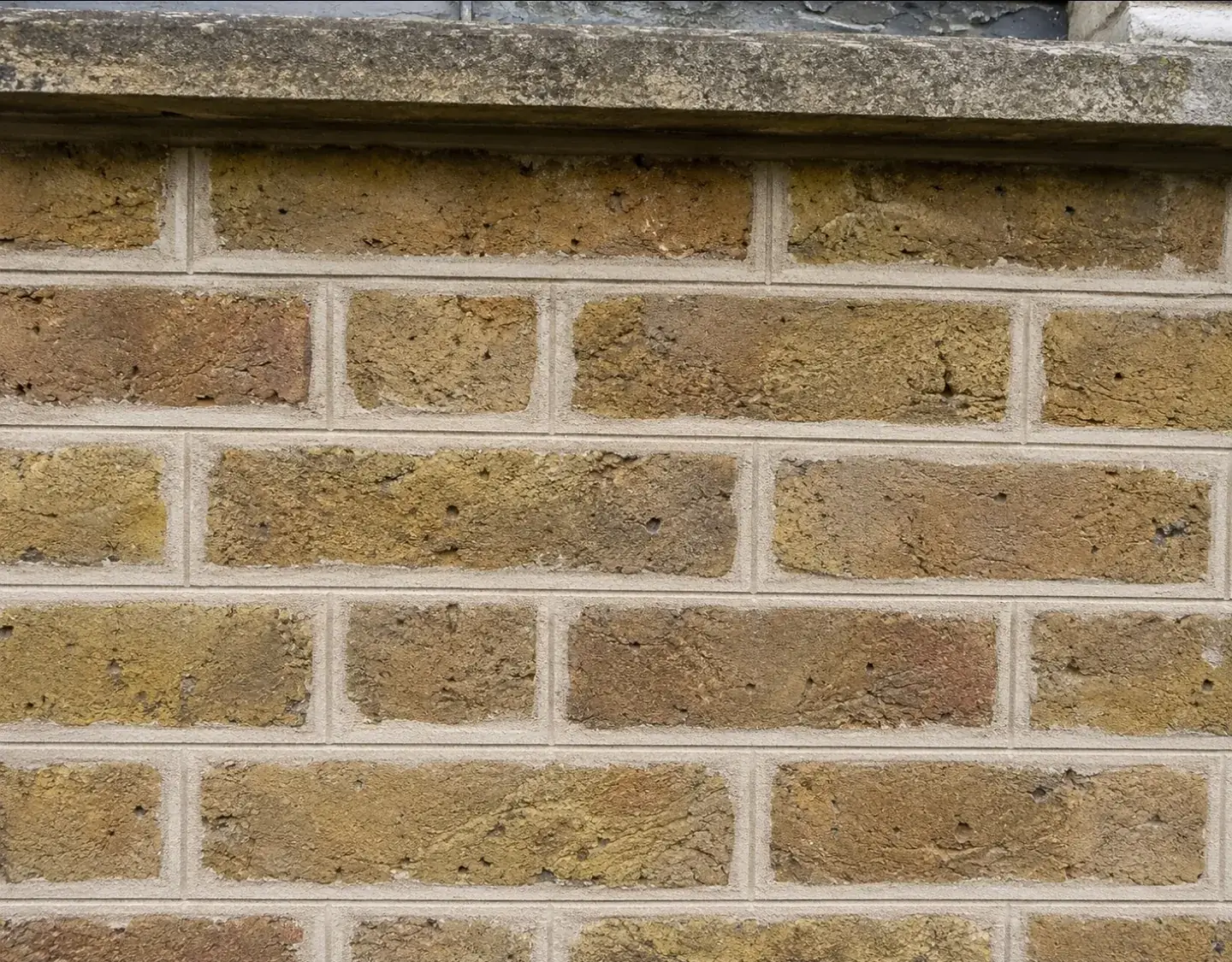
Penny roll
With penny roll the mortar is applied exactly as it is for flush pointing. The difference comes while the mortar is still wet: an old penny is rolled along the centre of the joint, guided by a rule, to cut a 2–3mm groove.
The result hides irregular brickwork and gives the facade a noticeably cleaner, smarter line.
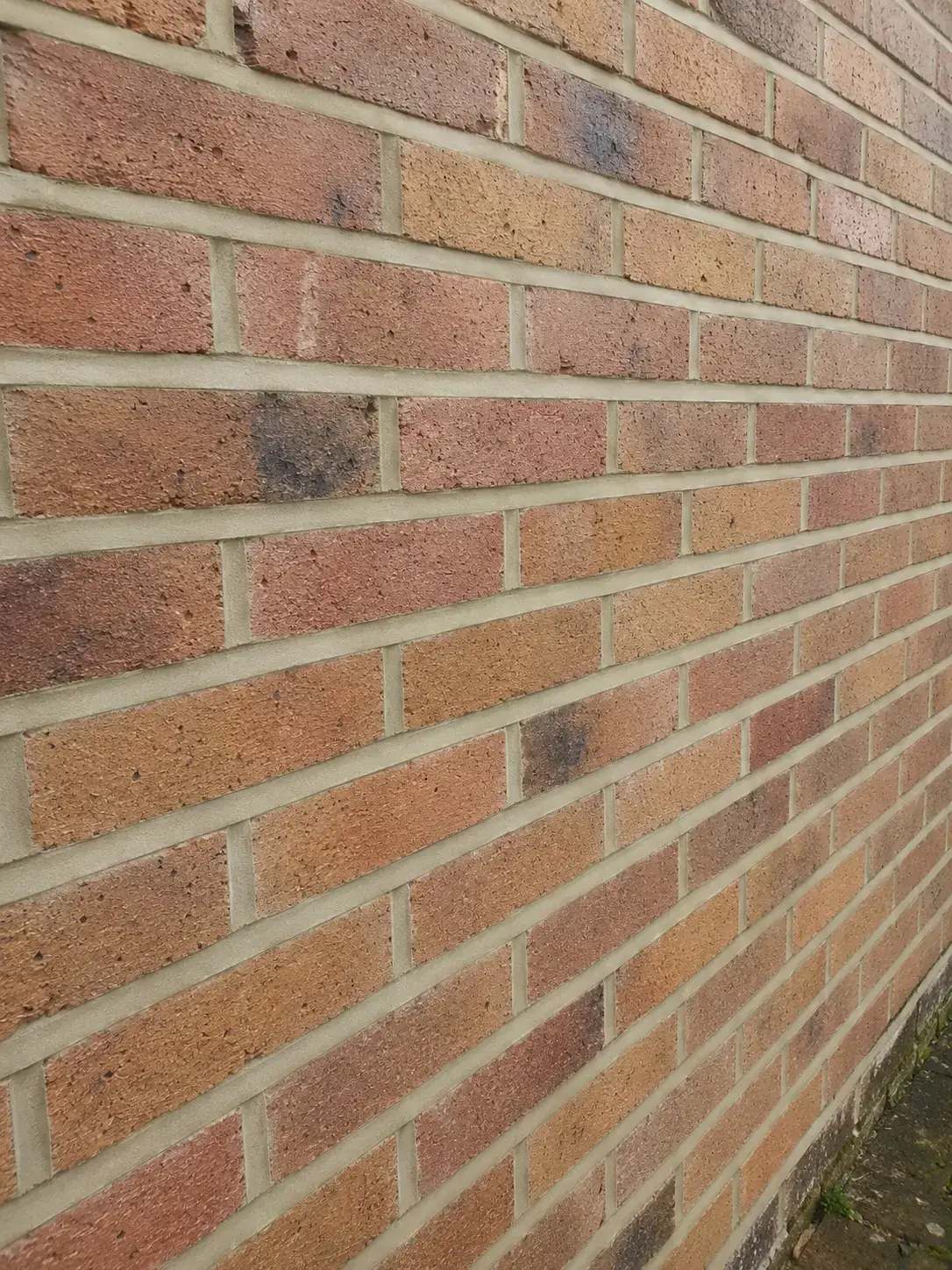
Weather struck
Weather struck pointing is formed by pressing the mortar into the joint at an angle, sloping down and away from the brick above. In rain, water rolls off the facade instead of sitting on the brickwork.
It is the most durable of the profiles and one of the most attractive - commonly used on older buildings, where it lends age and character to the wall.
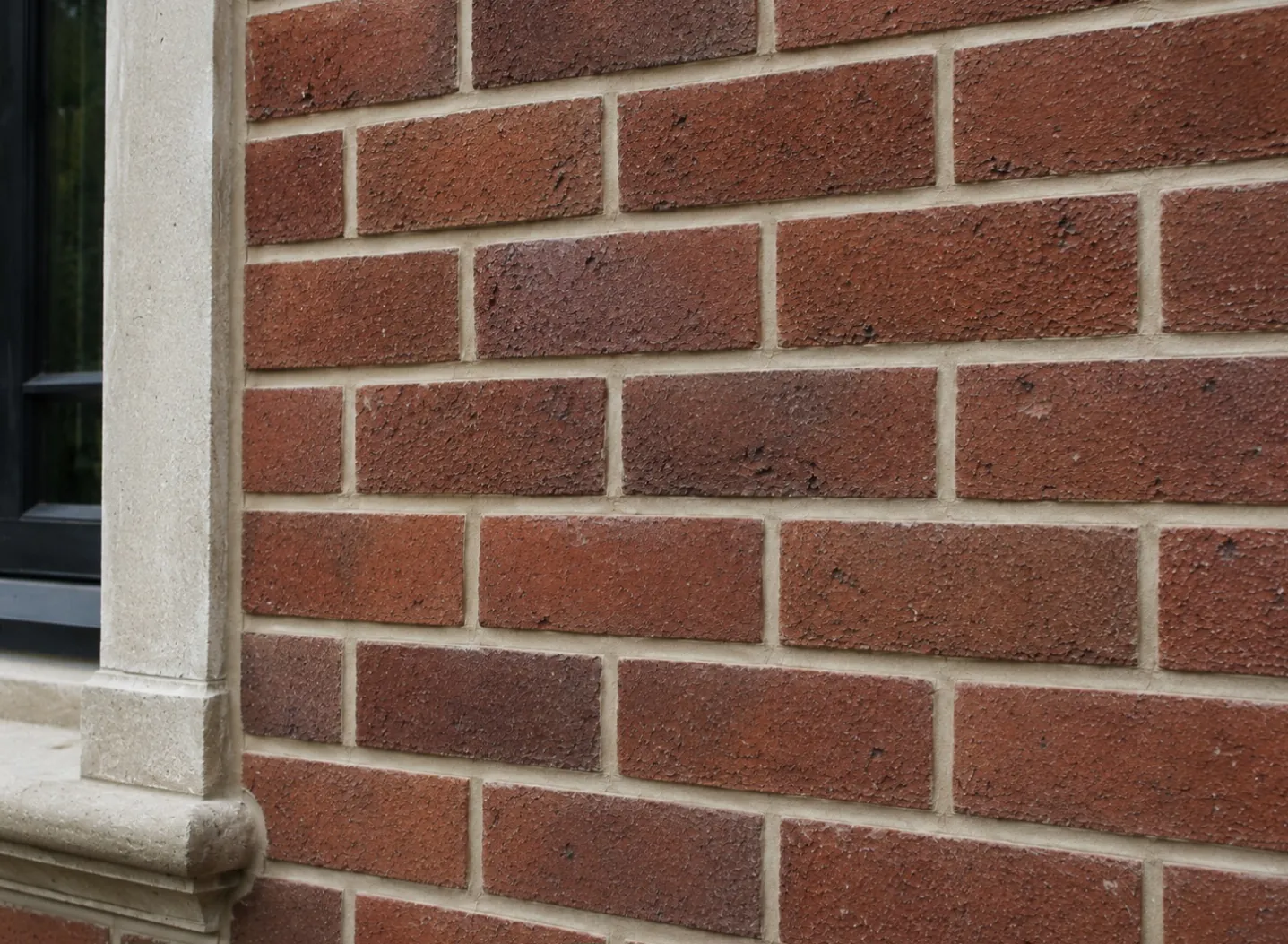
Recessed
Recessed pointing sets the mortar back from the face of the brick, leaving each brick to stand proud and casting a shadow line along every joint. It gives a facade real depth and definition, and is often chosen where the brick itself is the feature.
It asks a lot of the brick. Because the arris is exposed and water can sit on the ledge of the joint, we only recommend it on hard, well-fired bricks in sheltered positions - and we will say so plainly when a wall is not suited to it.
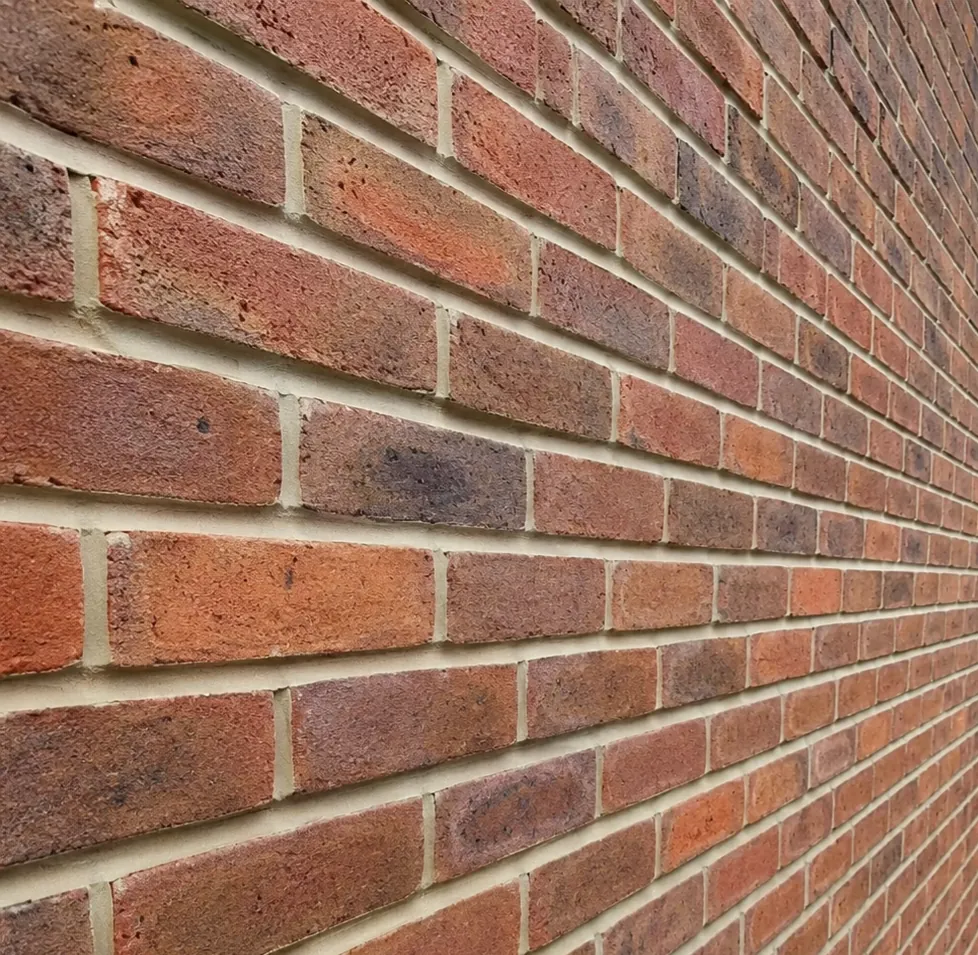
Bucket handle
Named for its curvature, bucket handle pointing presses a rounded groove into the joint using a keying tool or the curved end of a small tool. It gives a crisp, consistent finish on both vertical and horizontal joints.
The deeper, wider channel adds protection to the joint, though it can be more susceptible to cracking over the years than a struck profile.
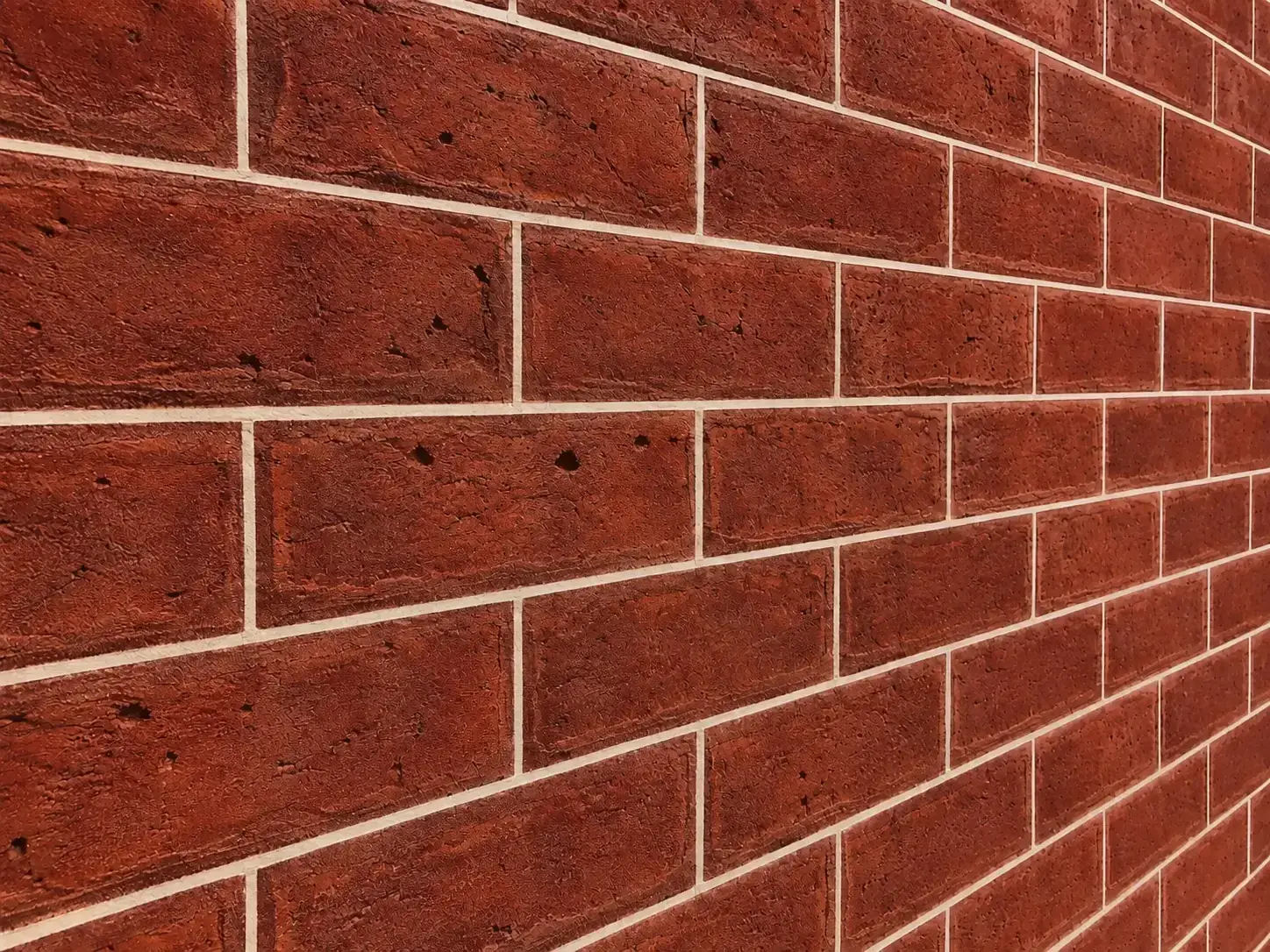
Tuck
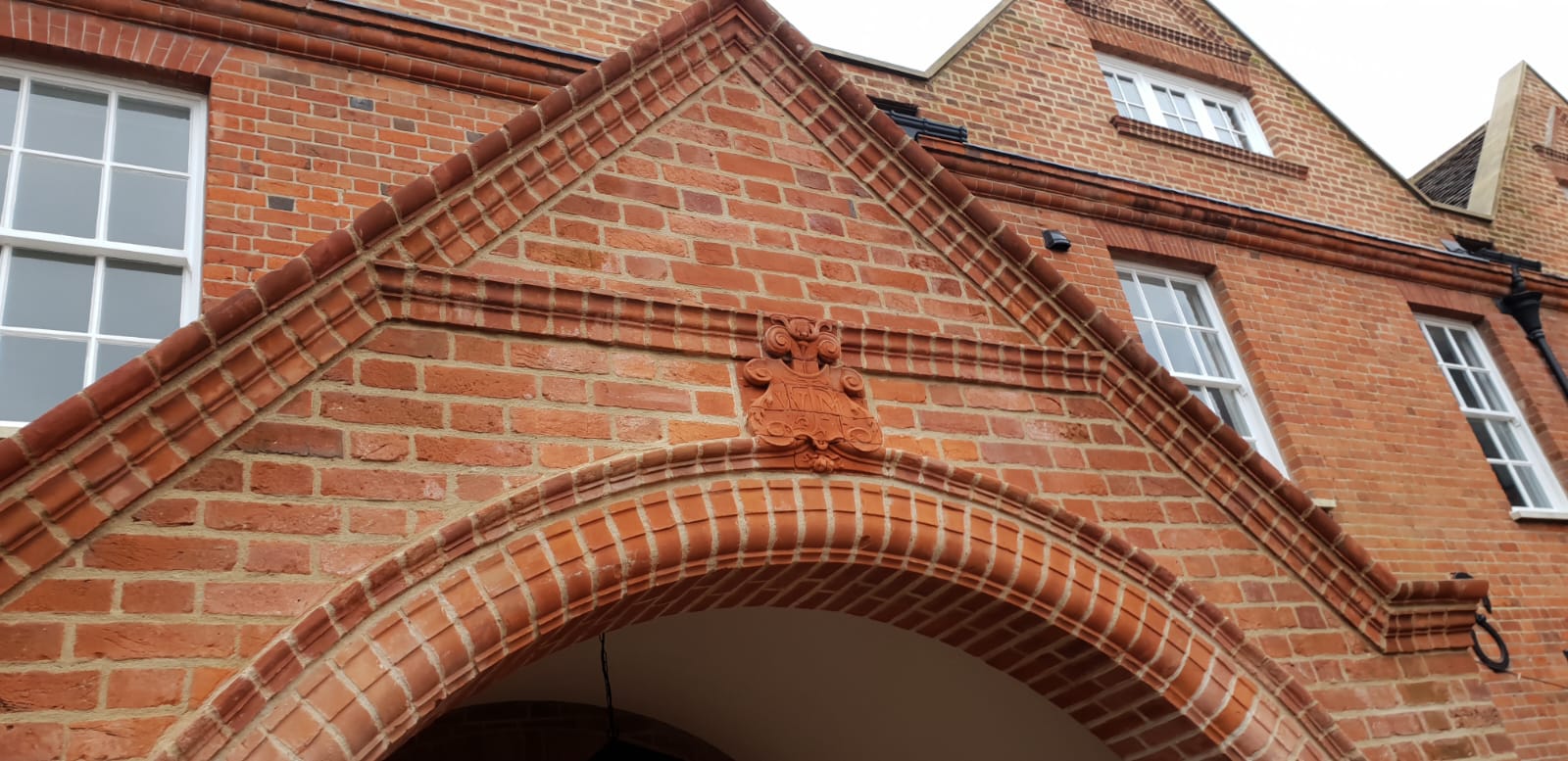
Tuck pointing improves the appearance of brick and mortar joints while protecting and preserving the mortar behind them, extending the life of both the joint and the wall.
A fine ribbon of lime putty is tucked over the restored joint, giving the impression of perfect, razor-thin brickwork. It is the most labour-intensive - and the most expensive - repointing technique we offer.
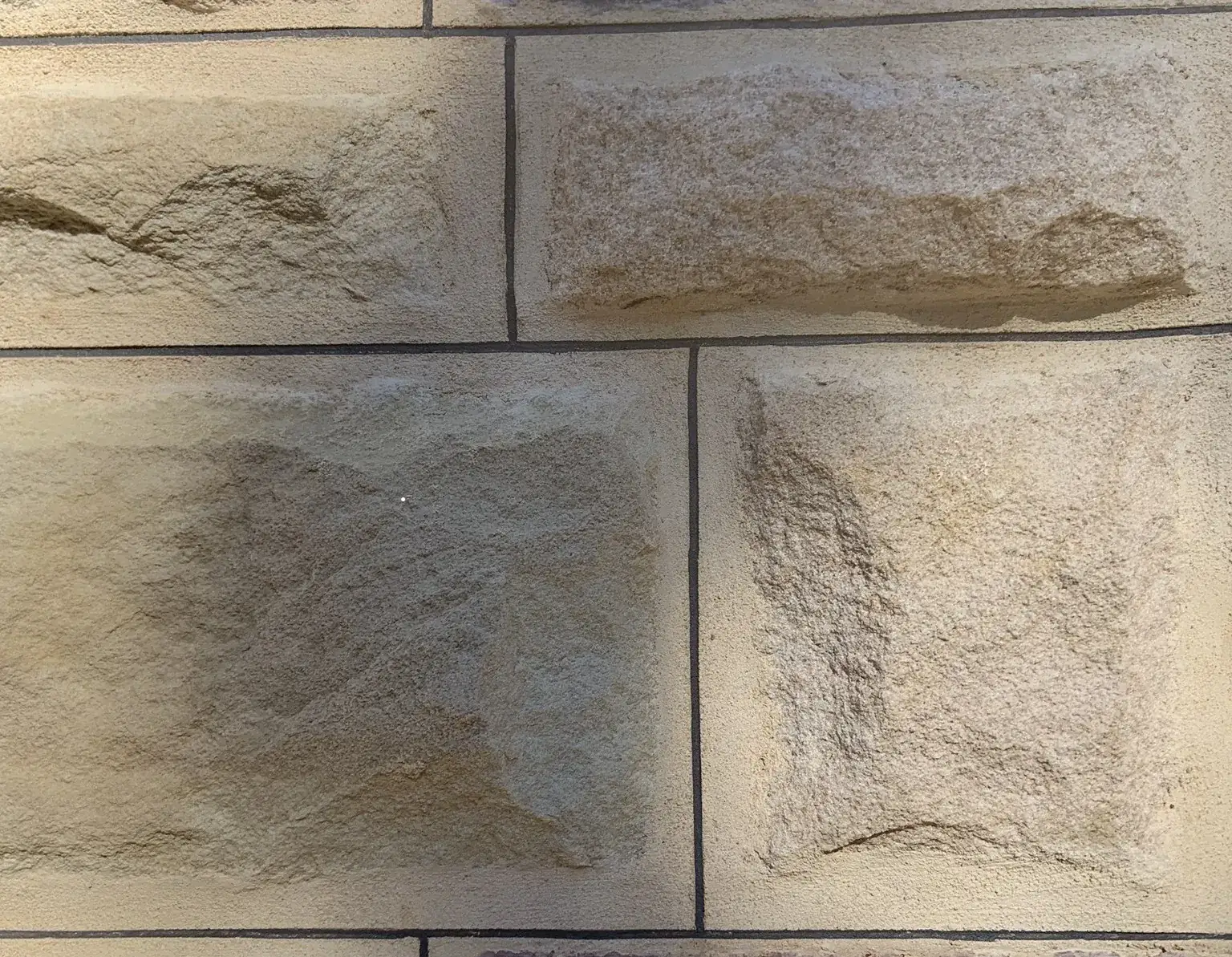
Stone repointing
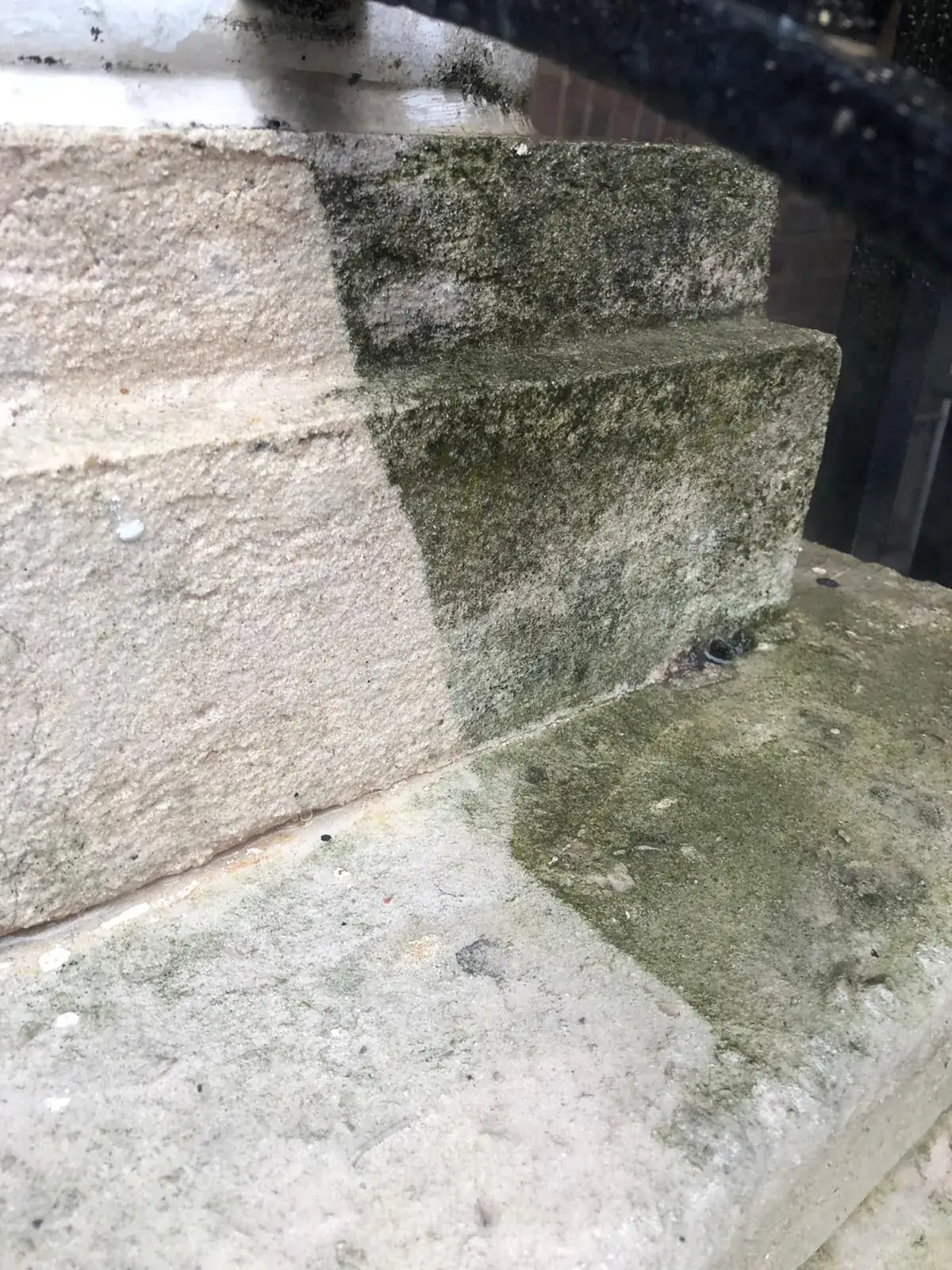
The repointing of stone matters just as much as the repointing of brickwork. Joints in ashlar and dressed stone are narrow and unforgiving, and the wrong mortar will damage the stone long before it damages the joint.
We rake out carefully, match the colour and grade of the original mix, and point back to the exact width and profile the stonework was built with.
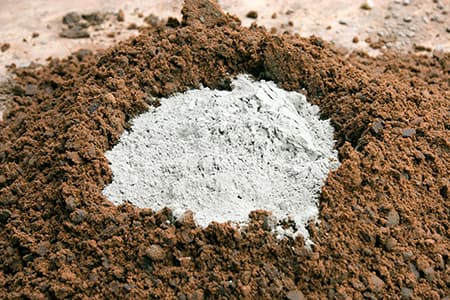
Lime mortar
Old buildings were built to breathe. The mortar in the joints is not just glue - it is the part of the wall that lets moisture escape and moves with the seasons. We repoint in traditional lime mortar, typically a 3.5:1 sand-to-lime mix, specified to match the original bedding mortar once we have analysed it on site.
Cement is never used on period brick or stonework here. It is too hard, too brittle and traps water inside the fabric, accelerating frost damage and salt decay. Lime mortar flexes, self-heals minor cracks and can be removed in the future without destroying the brick or stone beneath.
Every facade gets its own mix. We look at the aggregate size, the colour of the original mortar and the exposure of the wall before the sand and lime go anywhere near the building.
Common questions
Other services
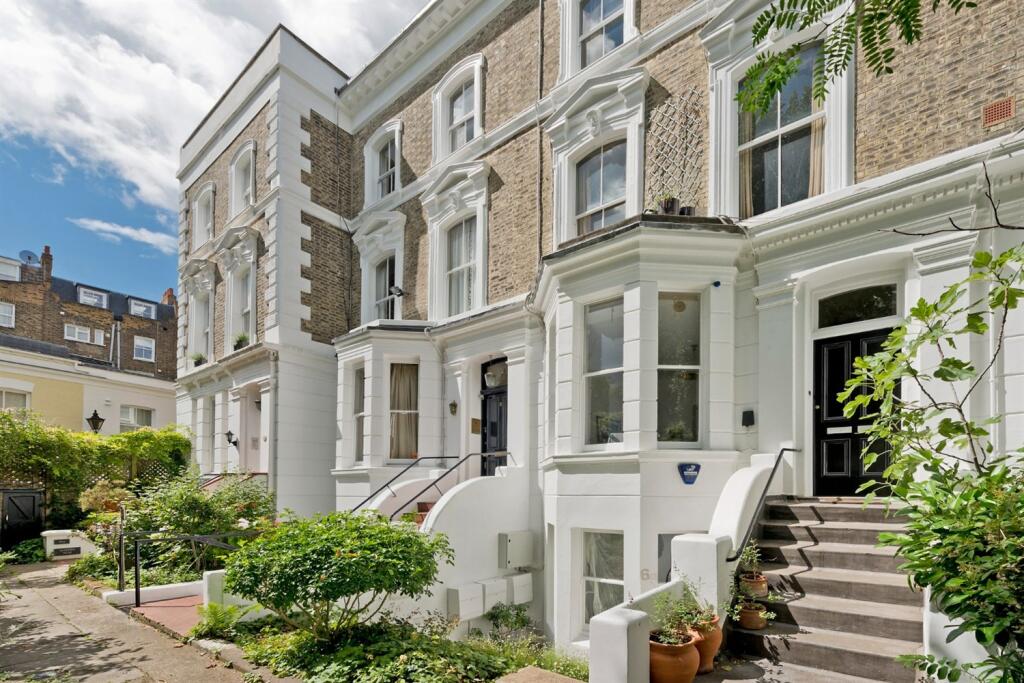
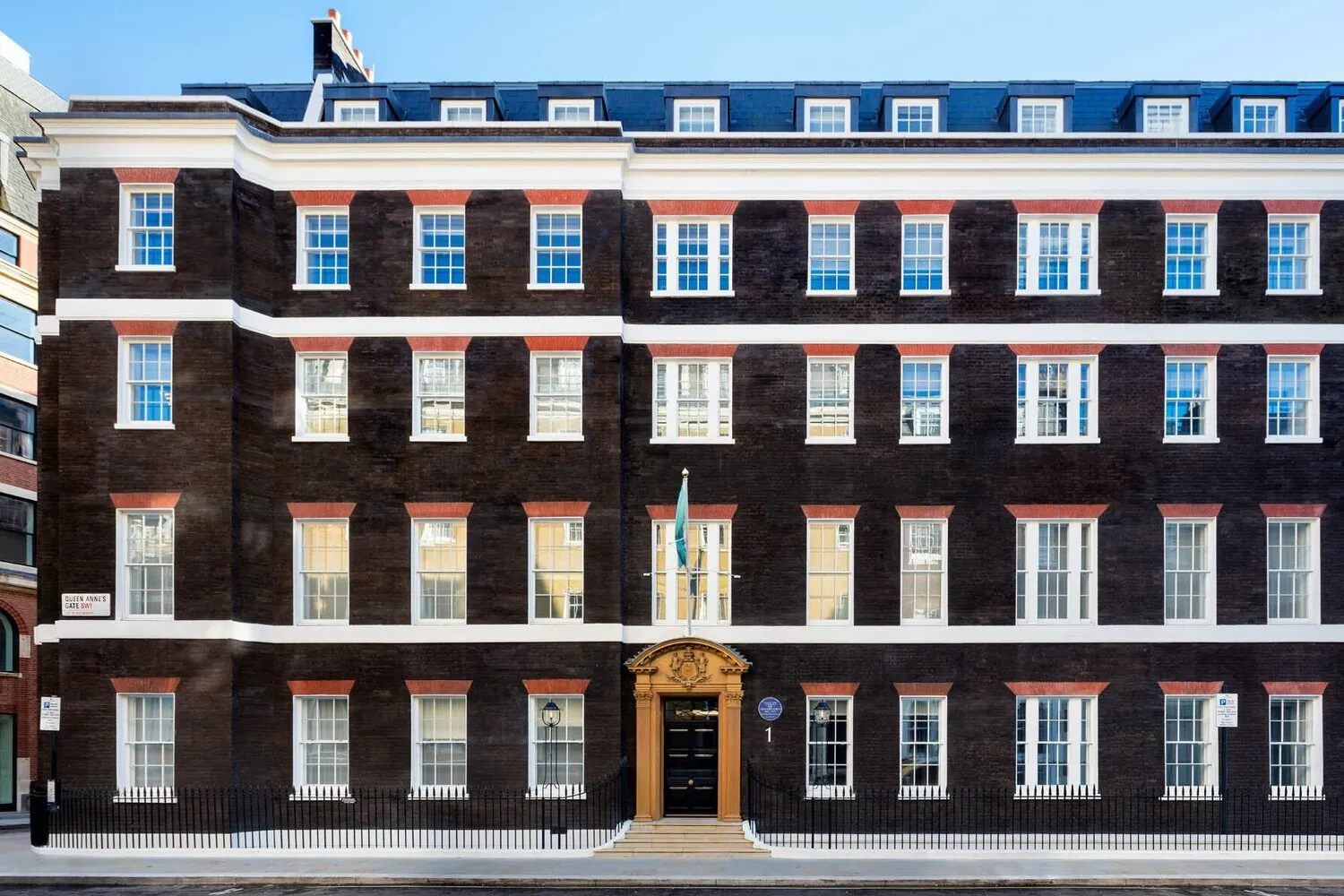
Talk to us about your project.
A few photographs of the facade are usually enough for us to understand the scope.