

Brick cleaning
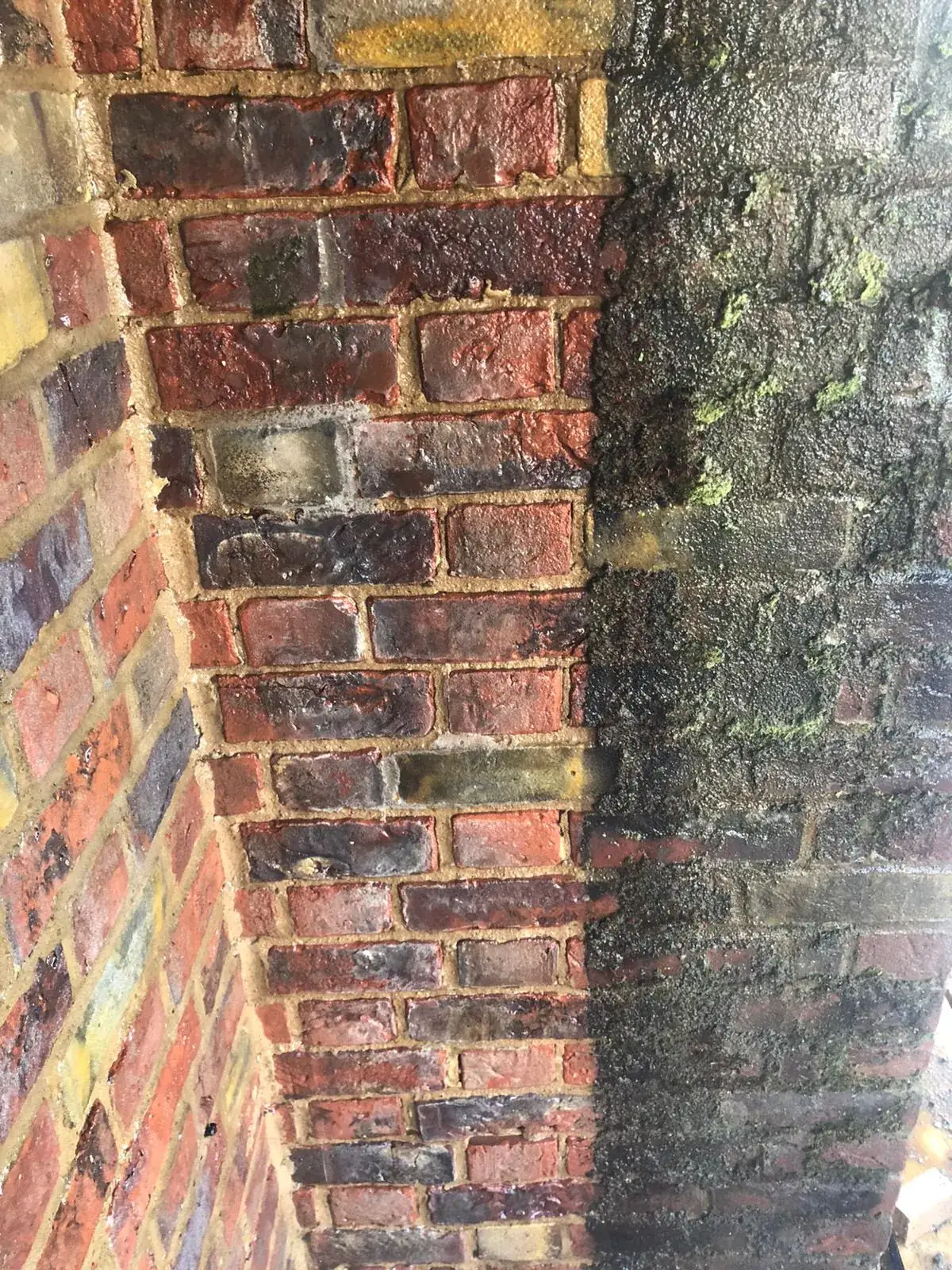
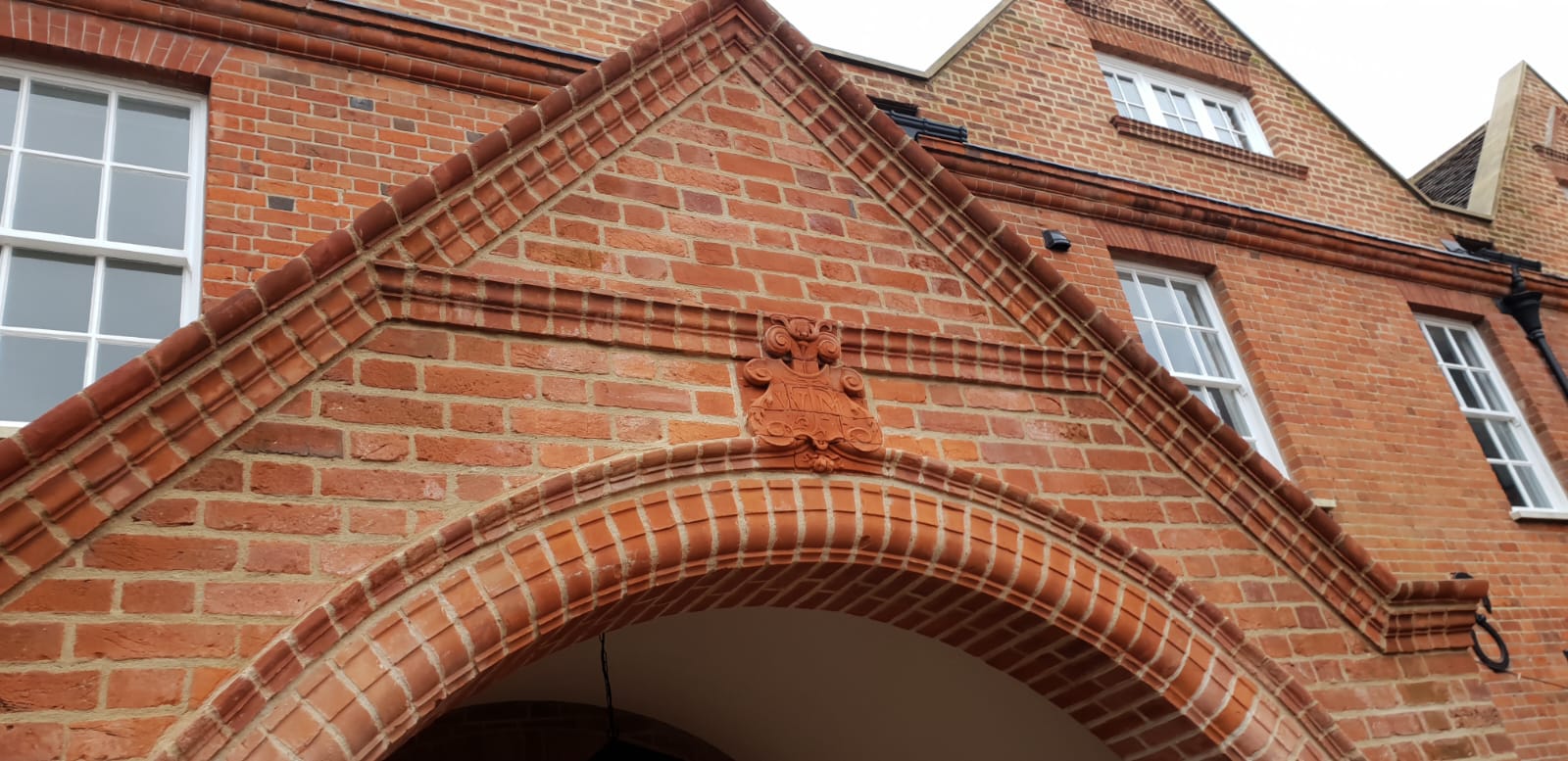
London brickwork carries more than a century of soot, sulphation and traffic film, and most of it is sitting on the face of the brick rather than in it. Cleaned correctly, a black facade comes back to the yellow stock, red or gault it was built from. Cleaned badly - high pressure, harsh acids, sanding - the fired skin of the brick is opened up and the wall takes water for the rest of its life. We clean brickwork across London residentially and commercially, always with the method chosen for the brick in front of us.
What we clean
Soot & pollution
Carbon and traffic film lifted from London stocks, gaults and reds without opening the brick face.
Masonry paint removal
Plastic and oil-based coatings taken off brickwork so the wall can breathe again.
Graffiti removal
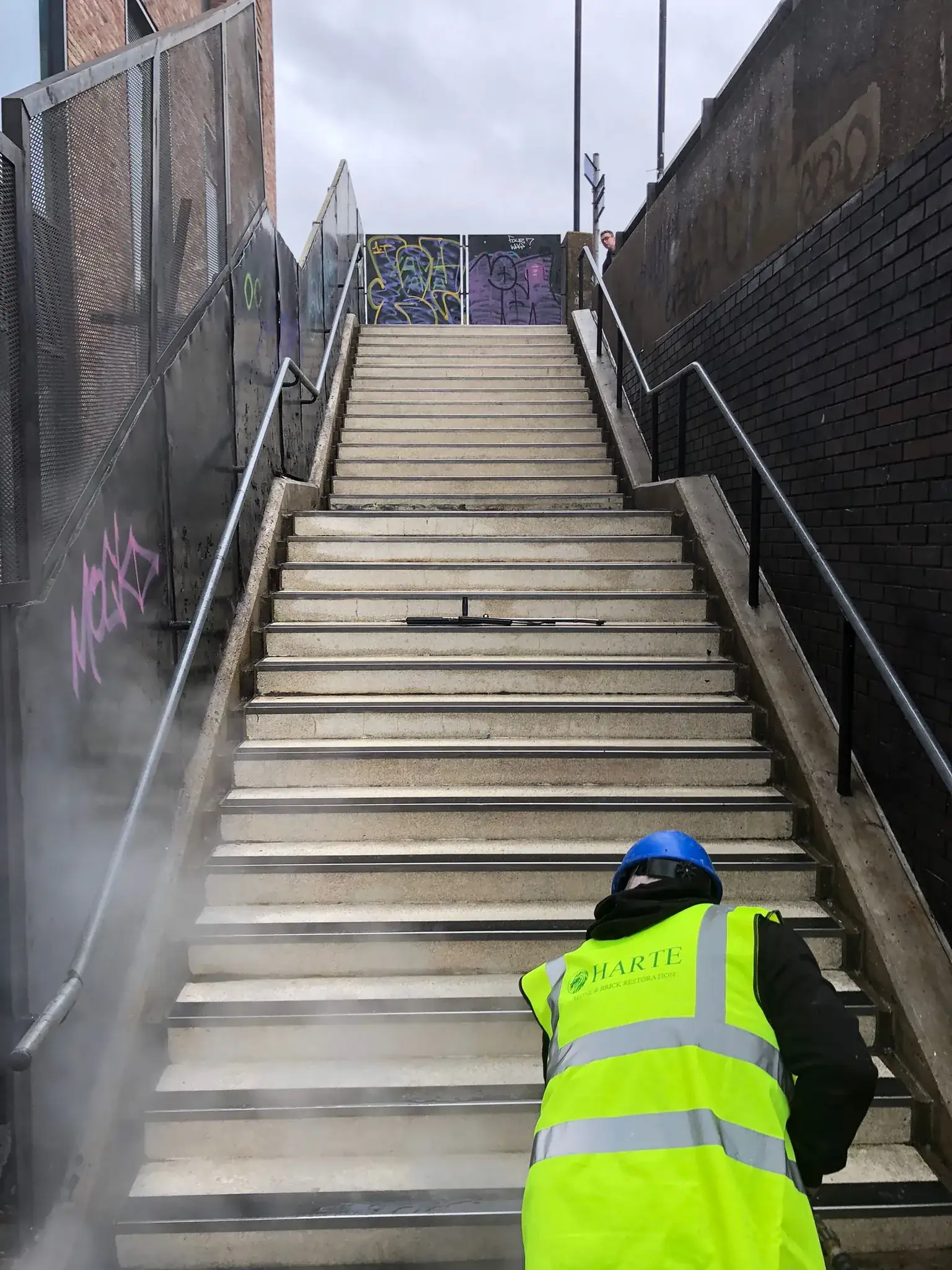
Tags removed from brick and concrete, with anti-graffiti protection where it is wanted.
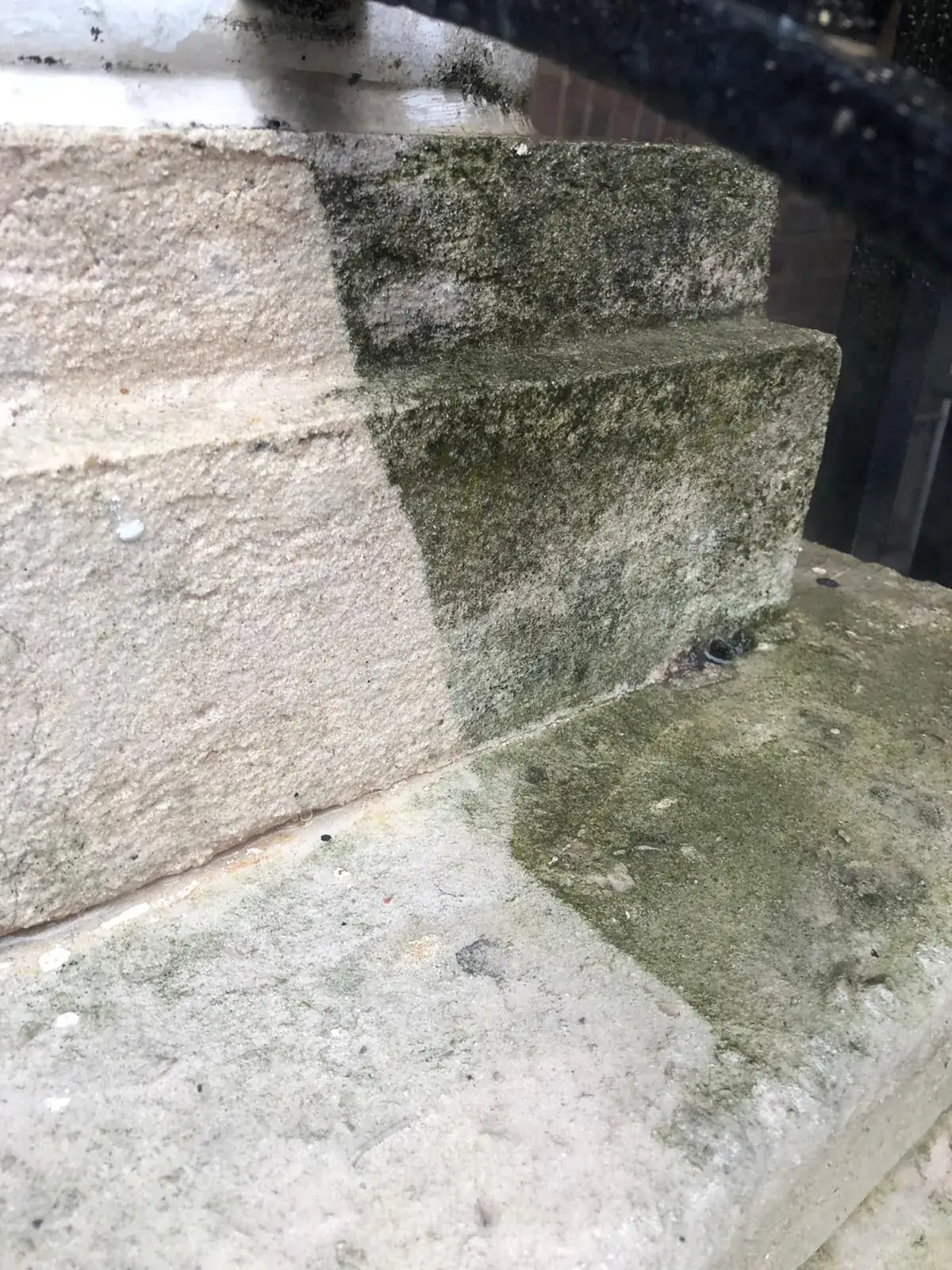
Moss & algae
Biological growth killed at the root with superheated water rather than chemicals.
Cement & mortar residue
Snots, staining and old mortar smears cleaned off new and restored brickwork.
Post-clean repair
Cleaning carried through into repointing, brick repair and tinting where the survey calls for it.
TORIK on brickwork
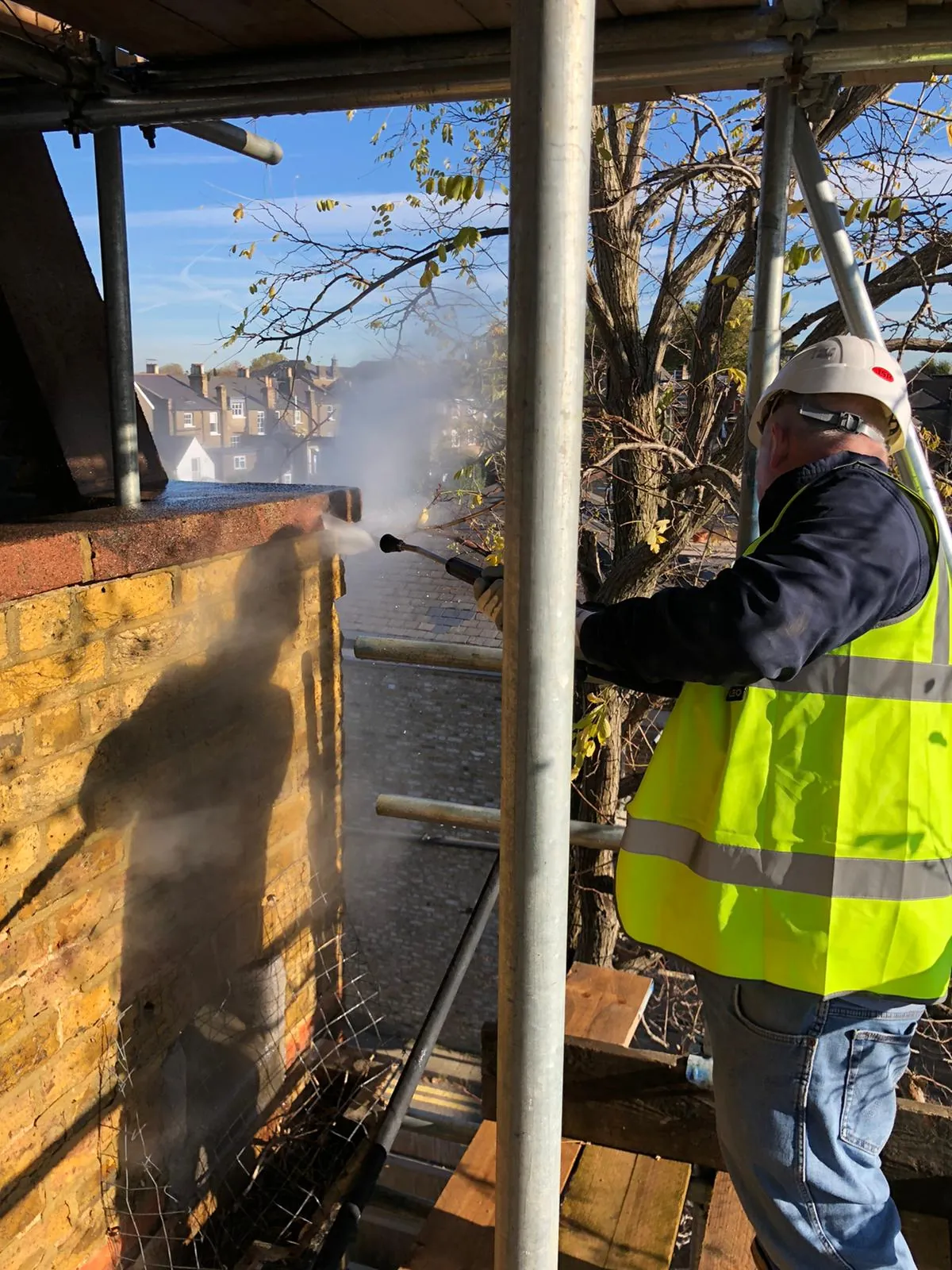
TORIK delivers superheated water and steam at up to 150°C through a lance, with the operator controlling both temperature and pressure. It is the right choice for hard black sulphation crusts, bitumen and paints that a gentler wash will not shift.
The ceramic nozzle gives a tight 15° to 25° cleaning edge, so the same machine works across plain elevations and around gauged arches, rubbed brick and ornamental detail without flooding the wall.
Every job starts with a test patch on an inconspicuous section, agreed with you before the full elevation is touched.

DOFF on brickwork
DOFF applies water at up to 150°C at low pressure and low volume, with no chemicals at all. On brick that matters: the heat does the work, so the fired surface of the brick is left intact.
It is the system we use for moss, algae and biological growth, and for most paint, wax, gum and grease coatings on brickwork.
Because the volume of water is low, the wall dries quickly and the surrounding building stays clean and dry.

Common questions
Other services
Talk to us about your project.
A few photographs of the facade are usually enough for us to understand the scope.